Centre Sahélien pour la Biodiversité
Head office: Pelengana-Nord, Ségou, Mali biodivsaheliencentre@gmail.com
In the field

A training centre that produces

The Centre Sahélien pour la Biodiversité combines vocational training and farm production. On its sites in Zoumaira and Pelengana-Nord, it grows crops, raises livestock and produces farm inputs. These activities provide a practical setting for learning and experimentation.

The centre describes vegetable production carried out all year round. Selling vegetables, seeds and other products helps fund its activities, alongside support from partners for some programmes.

  • Year-round market gardeningThe centre describes vegetable production carried out throughout the year.
  • A place to learnParticipants practise the techniques of the trade on real production.
  • Products that fund the centreSelling its products helps fund its activities.
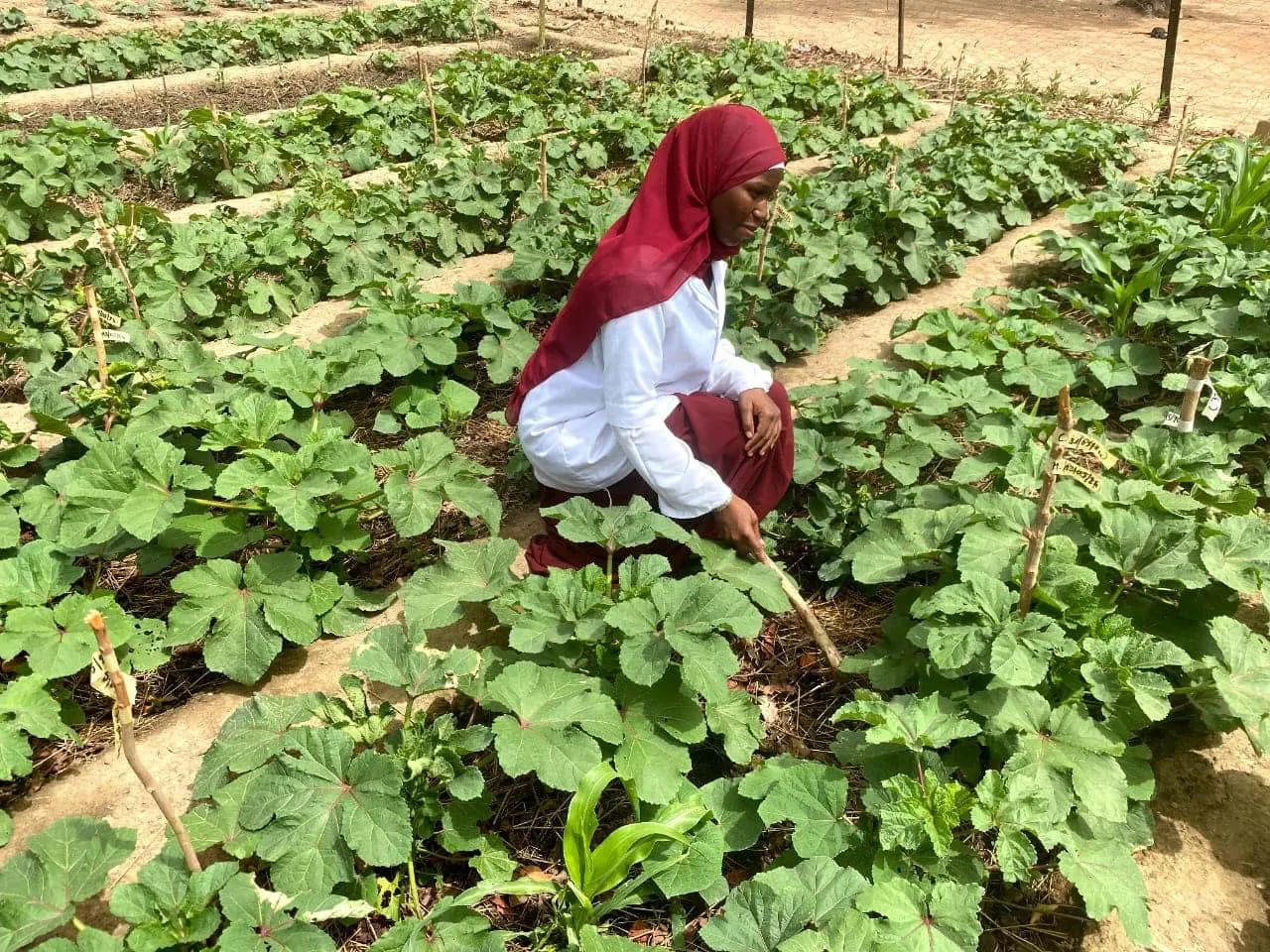
A participant in a headscarf crouching between rows of leafy plants
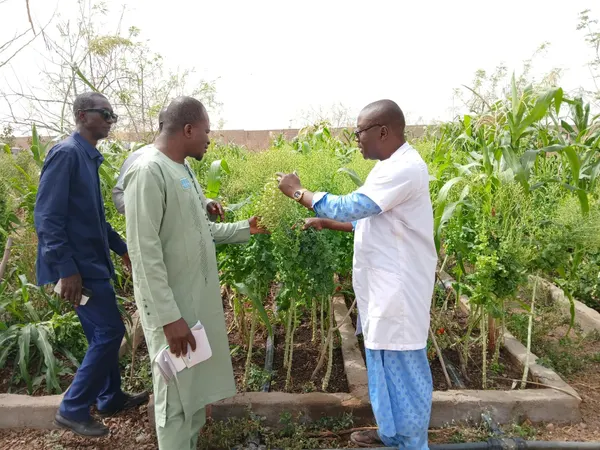
A trainer in a white coat and two visitors talk in front of growing beds and maize plants

Our production systems

Production activities are presented in three groups. The links lead to the corresponding training programs.

Crops and seeds

Livestock

Inputs and recycling

Our activities

What we do every day

Five activities carried out on the centre’s land. Each one supports the training, and some lead to products.

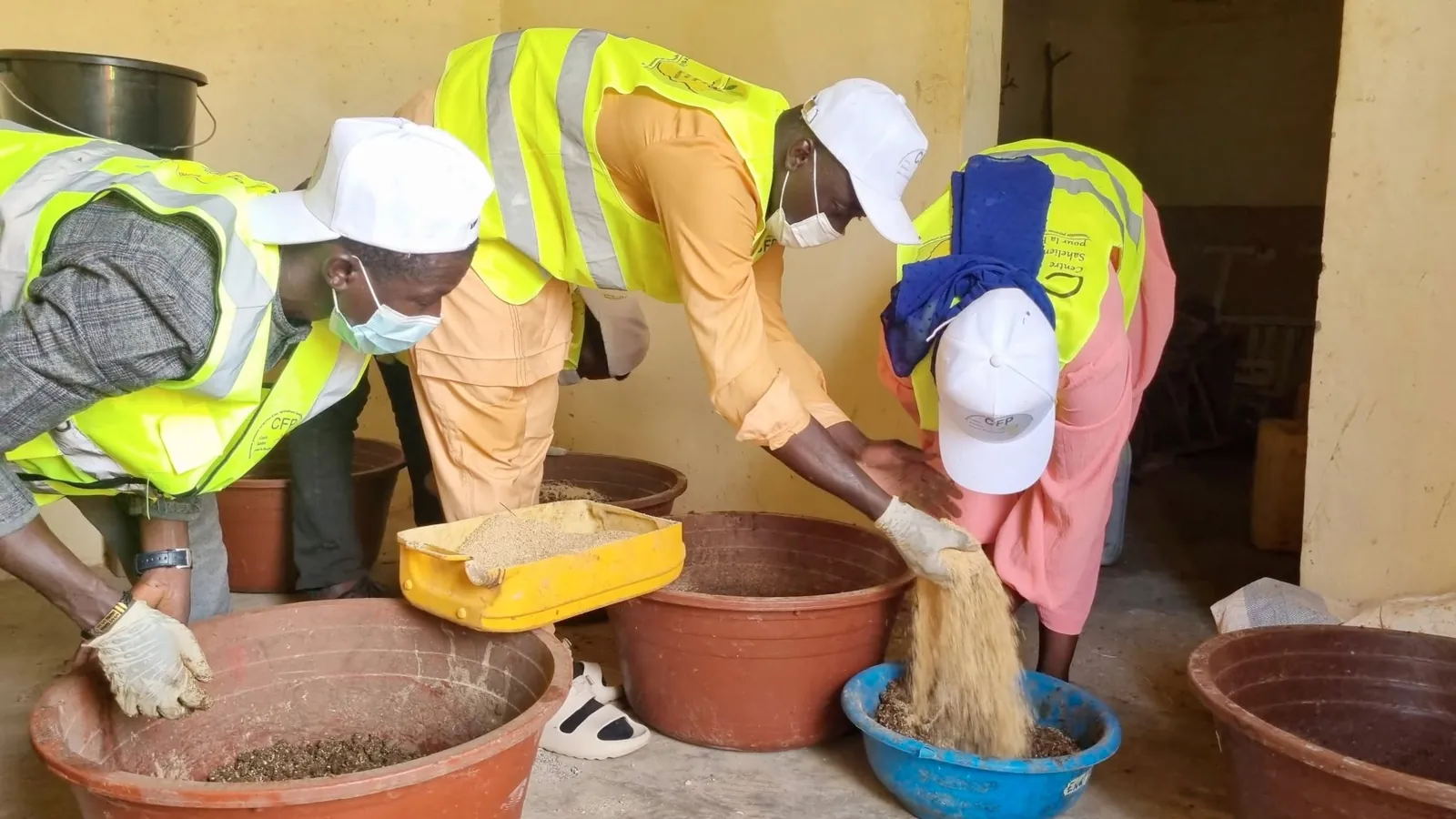
Participants in vests sieve a fine material over basins
Sieving during the hands-on course.

Black soldier fly and organic waste

In its Ségou unit, the centre raises black soldier fly larvae on organic waste. The larvae become a source of protein for feeding poultry and fish.

August 2026 session: participants from Koulikoro, Sikasso, Ségou, Bamako and San.

Show details
  • Egg-laying structuresParticipants build and install the egg-laying structures, then harvest the eggs.
  • Rearing on wasteThe larvae are raised on organic waste in the Ségou unit.
  • Use in livestock feedingThe larvae feed poultry and fish; larvae-meal feeds have been announced.
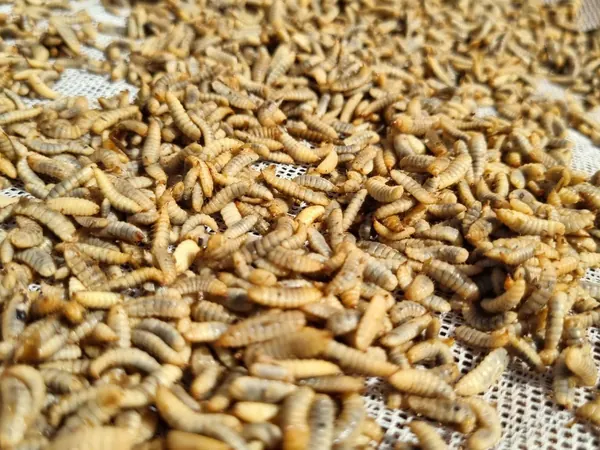
Close-up of black soldier fly larvae on a sieve
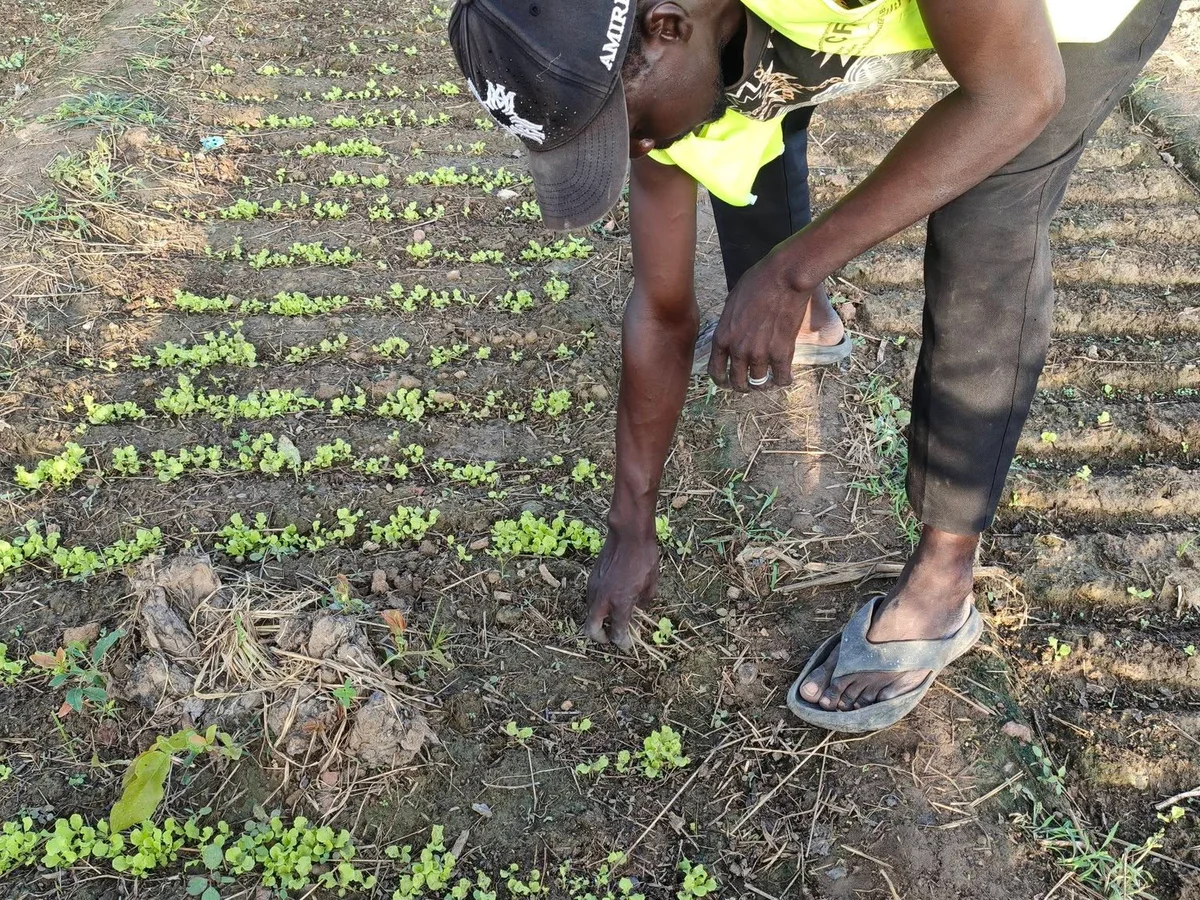
Participants transplant young seedlings on a growing bed
Transplanting on a growing bed.

Market gardening, nurseries and peasant seeds

The centre grows vegetables all year round using agroecological methods and produces seedlings from traditional vegetable seeds. Nurseries are labelled by crop, variety and sowing date; the soil is prepared, levelled and fertilised with organic matter. The centre conserves and shares peasant seeds, extracting and sorting the seeds of crops such as tomato. Details of the practices are on the training page.

Show details
  • Year-round cropsLettuce, tomato, African eggplant and cabbage, grown agroecologically.
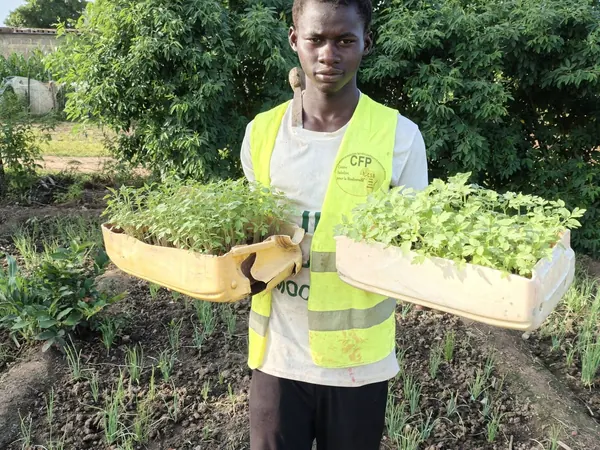
  • Seedlings and nurseriesSeedlings grown from traditional seeds, also sown in reused containers, labelled by crop, variety and sowing date, and available to order.
  • Peasant seedsExtracting, sorting and drying seeds, for example tomato; lettuce, tomato, sweet pepper, chilli, okra and bean seeds.
A young man in a vest carries two trays of seedlings on a plot
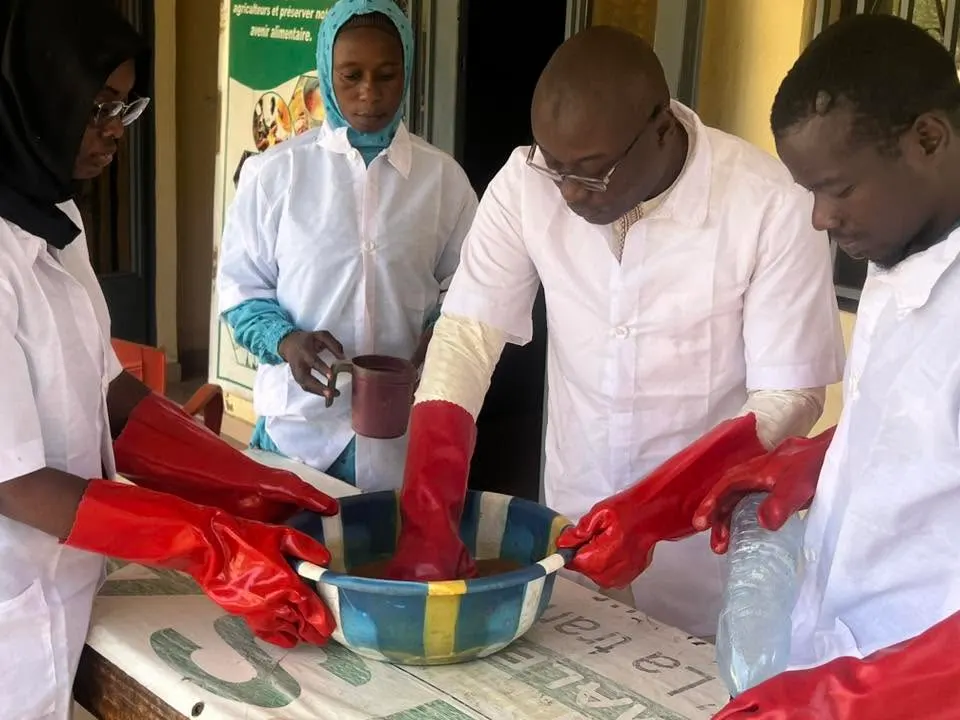
Participants in coats and gloves prepare a mixture in a basin
Preparing a mixture.

Bio-inputs and soil fertility

The centre makes its own inputs: compost, biochar, biofertilisers and biorepellents. It also produces FassoFertil, a liquid bio-input based on effective microorganisms which, according to the centre, improves soil fertility and crop growth. Field demonstrations are offered.

The bio-input production unit was visited in 2026 by a mission from the National Agroecology Strategy.

Show details
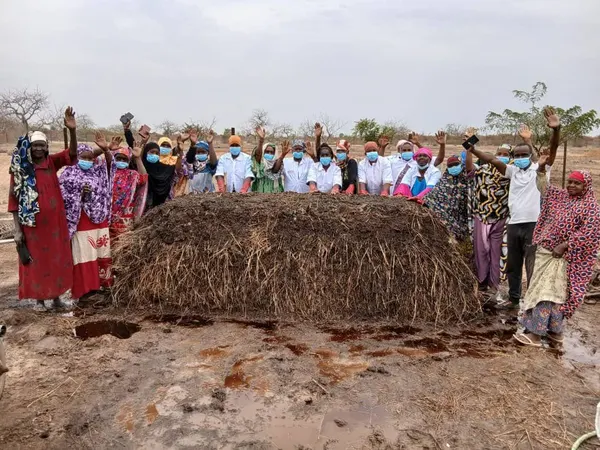
  • Compost and biocharSoil preparation and organic fertilisation, using materials produced on site.
  • Biofertilisers and biorepellentsMade by the centre and used on its vegetable crops.
  • FassoFertilThe centre’s liquid bio-input, based on effective microorganisms. Ask about how to use it.
A group with raised arms around a large compost heap covered with straw
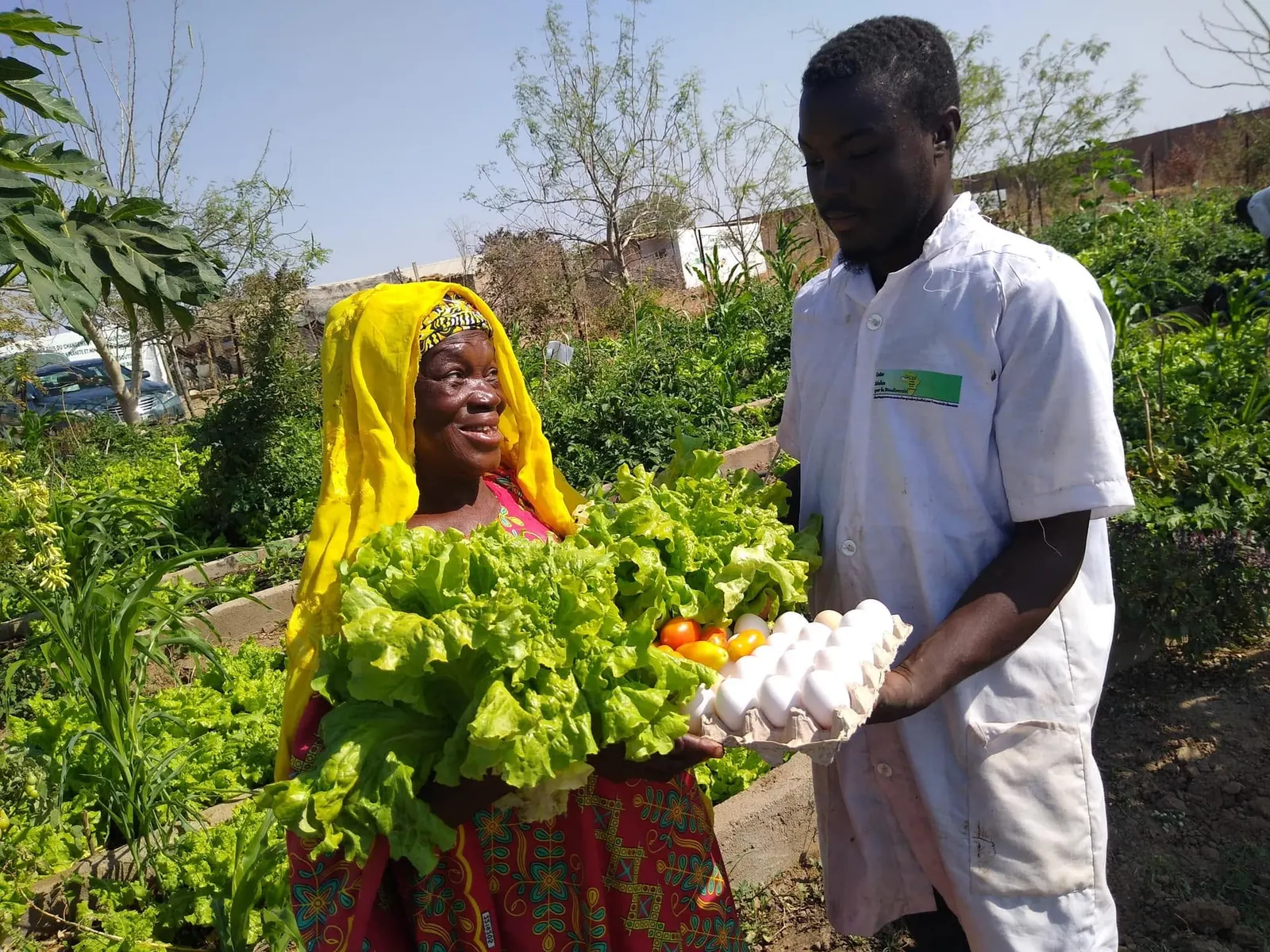
A woman farmer holds lettuces next to a man in a white coat showing a tray of eggs
Farm produce: lettuces and eggs.

Livestock and fish farming

The centre raises poultry, fish and rabbits and fattens livestock. The main site in Zoumaira has poultry houses, fish ponds, rabbit hutches and a fattening pen. The black soldier fly larvae produced by the centre are used to feed poultry and fish.

Show details
  • Poultry and eggsPoultry farming: hands-on sessions on poultry nutrition and health, and eggs depending on the season.
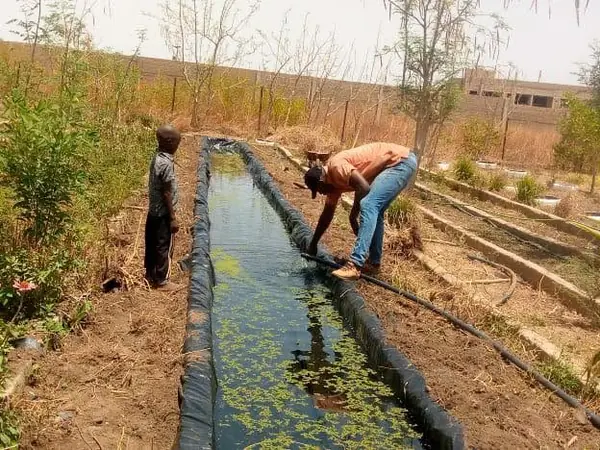
  • Pond fish farmingLined ponds, pond fertility, fish feeding and group net work.
  • Rabbits and fatteningRabbit farming and livestock fattening are among the centre’s production systems.
A lined pond full of water, with a man leaning over the edge
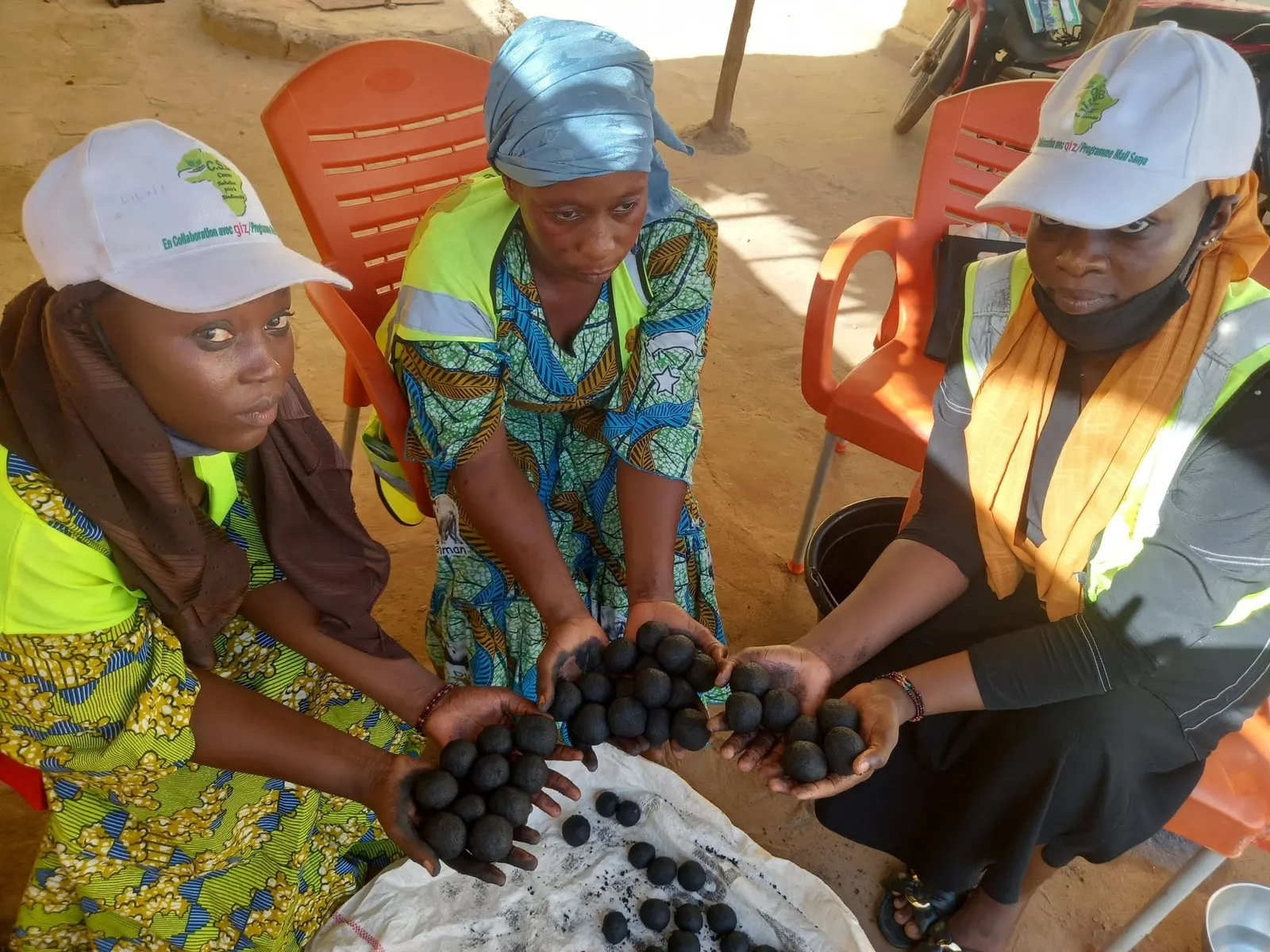
Three participants show eco-friendly charcoal briquettes in their hands
Eco-friendly charcoal briquettes.

Bioenergy: biogas, biomass and eco-friendly charcoal

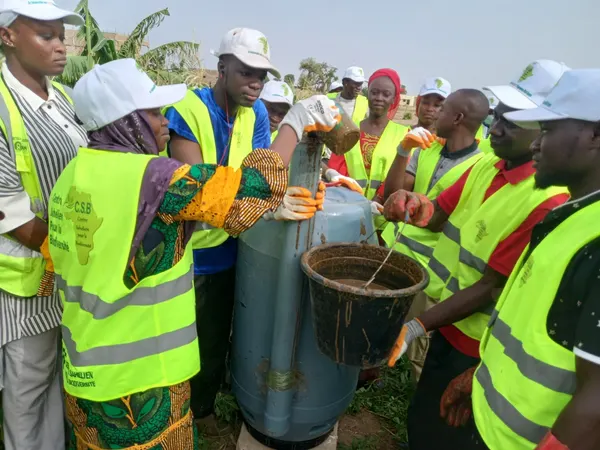
The centre explores turning waste and biomass into energy: biogas, eco-friendly charcoal and solar solutions. These topics were the subject of courses in 2025.

A three-week course in 2025, ending with the presentation of certificates.

Show details
  • Biogas and biomassTurning waste and local resources into energy.
  • Eco-friendly charcoalEco-friendly charcoal briquettes made during hands-on sessions.
  • Solar energySolar irrigation and photovoltaics are among the topics covered.
A group in vests around a blue drum, one participant holding a bucket
An open centre

Visits and exchanges

The centre welcomes schools, institutions and the media, and takes part in agroecology gatherings. Action research and innovation are built into its technical organisation. It also promotes a participatory approach that involves communities, especially women and young people, in discussions on farming practices and climate change adaptation.

Arrange a visit
  1. May 2024

    Educational visit from a school

    Pupils discover the centre’s activities.

  2. March 2026

    Visit by the Ségou Regional Directorate of Vocational Training to the black soldier fly unit.

  3. May 2026

    ORTM Ségou report on larvae production.

  4. August 2026

    Black soldier fly training session with participants from five regions, closed in the presence of the National Directorate of Vocational Training.

  5. October 2026

    Participation in the National Week of Peasant Agroecology

    Insect meal, effective microorganisms and bio-inputs presented.

Train with us

Learn these practices during a session at the centre.

View training programs

Our products

Seedlings, seeds, bio-inputs and black soldier fly products, with no online sales.

View products
Frequently asked questions

Your questions about our activities

Another question? The team will reply by phone or WhatsApp.

Call the centre

Vegetables, seedlings and peasant seeds, bio-inputs such as FassoFertil, poultry and eggs, fish and black soldier fly larvae. Availability varies with the seasons.

The centre has already welcomed schools, institutions and the media. Contact the centre to arrange a visit.

Some products are offered for sale, with no online sales. Contact the centre to check availability; the Products page presents the range.

According to the centre, a liquid bio-input based on effective microorganisms, presented as a fertiliser and growth stimulant. Ask the centre how to use it.

The courses use the centre’s plots, livestock, ponds and production units: participants practise alongside real production.

The main site is in Zoumaira, in the rural municipality of Massala. The head office and annex site are in Pelengana-Nord, Ségou. Call before you come to confirm the location and your appointment.

Organisations, institutions or project leaders: contact the centre to present your project.