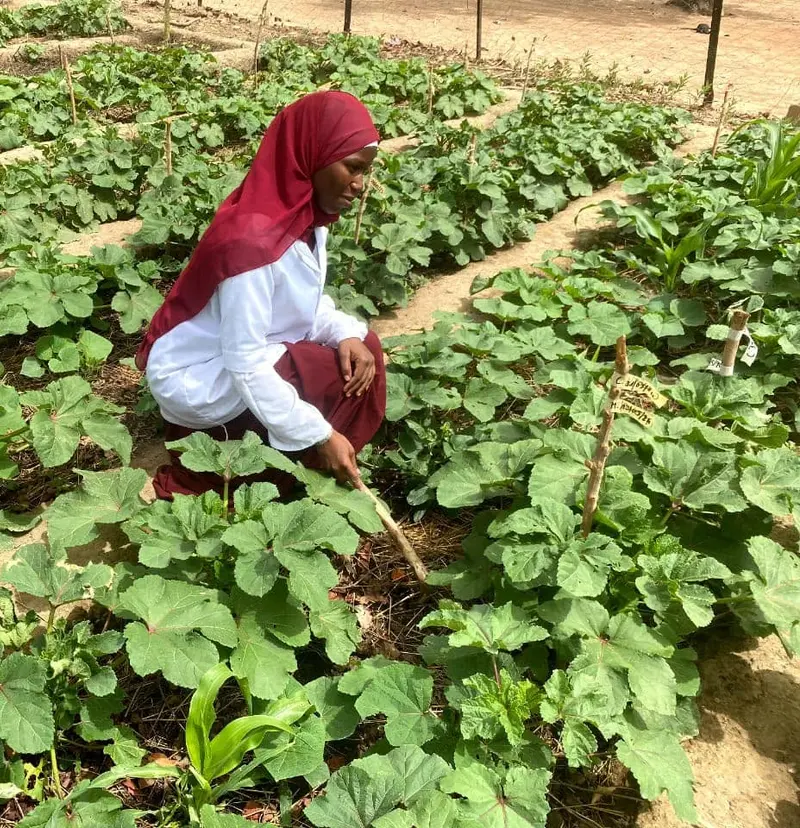
Market-gardening plots
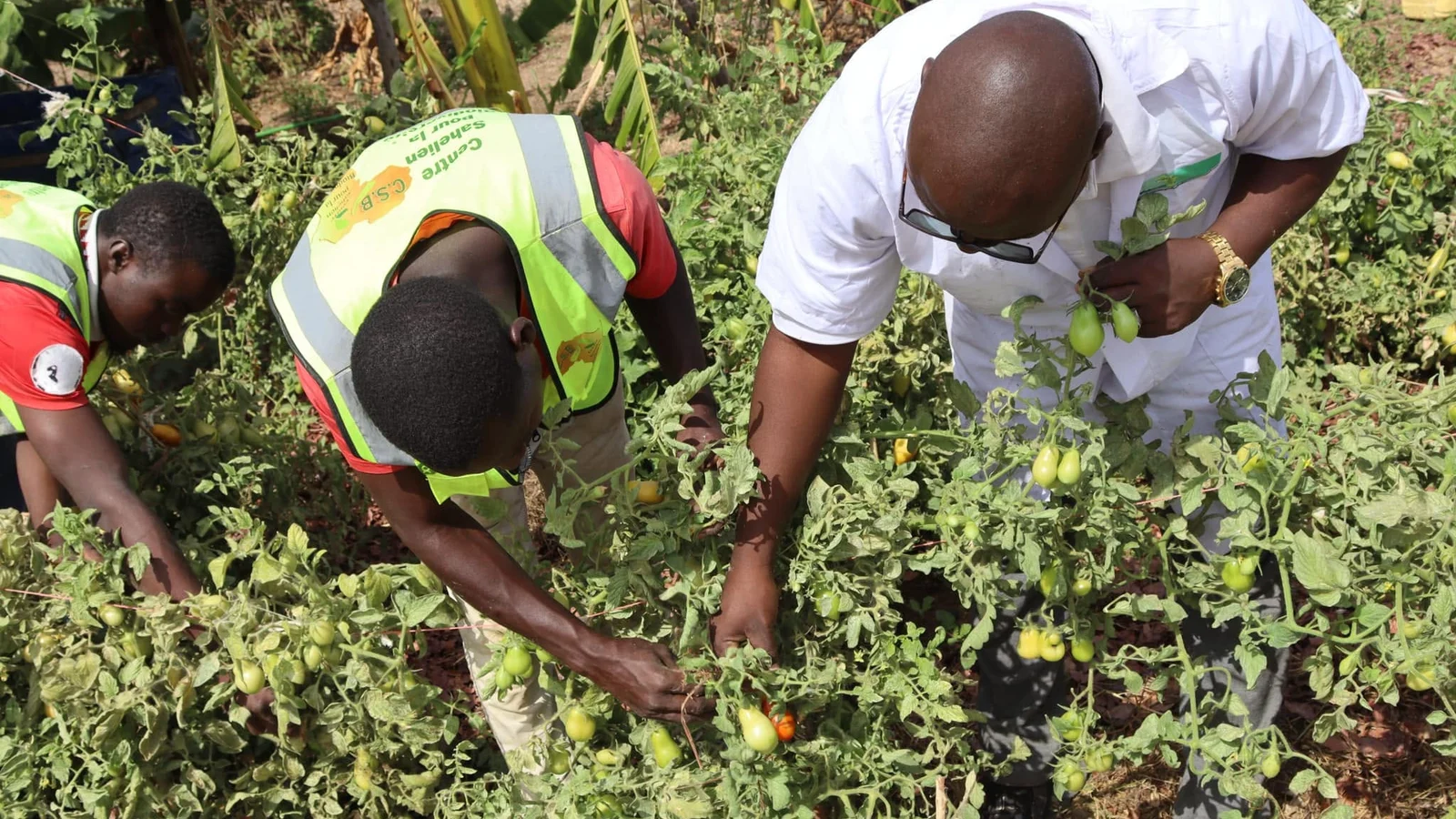
Vegetable crops and nurseries of young seedlings grown from traditional vegetable seeds. The main site in Zoumaira also has a trial field.
About us
The Centre Sahélien pour la Biodiversité is a hands-on vocational training centre for peasant agroecology. It combines training, peasant seed production and agricultural entrepreneurship. Its main site is in Zoumaira, in the rural municipality of Massala; its head office and annex site are in Pelengana-Nord, Ségou.
The centre’s mission is to contribute to food and agricultural diversification and to help people into working life. It is aimed in particular at young people outside mainstream schooling, women, farmers and local groups, with training adapted to each audience and session.
Have a question? +223 66 93 70 72
Our approach
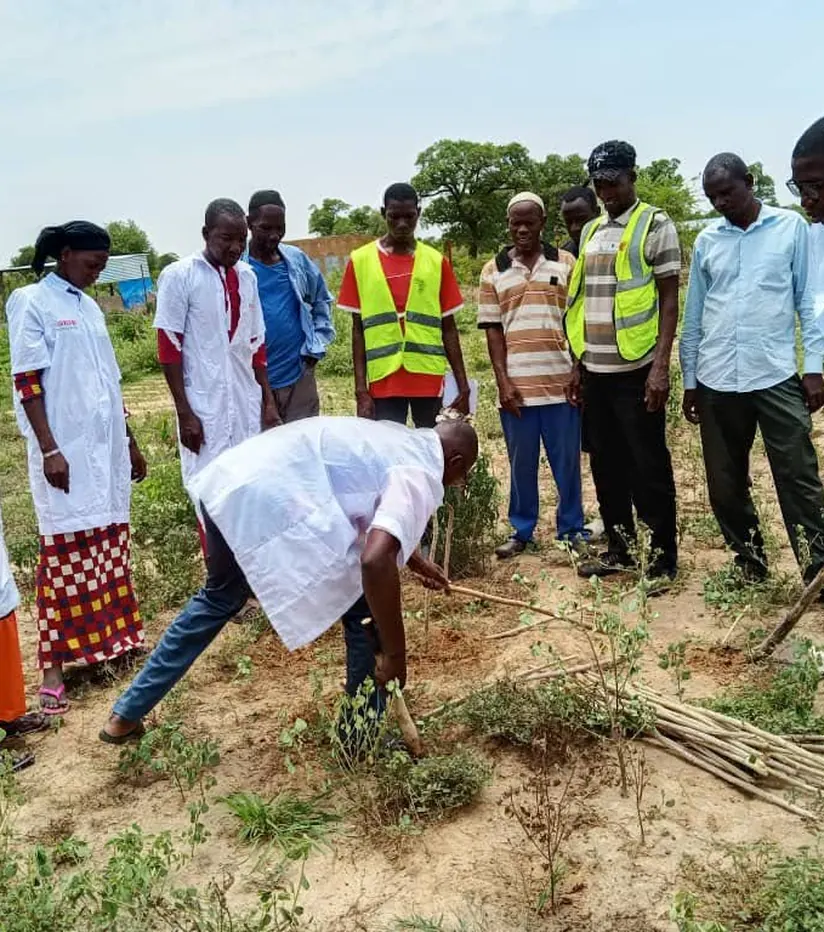
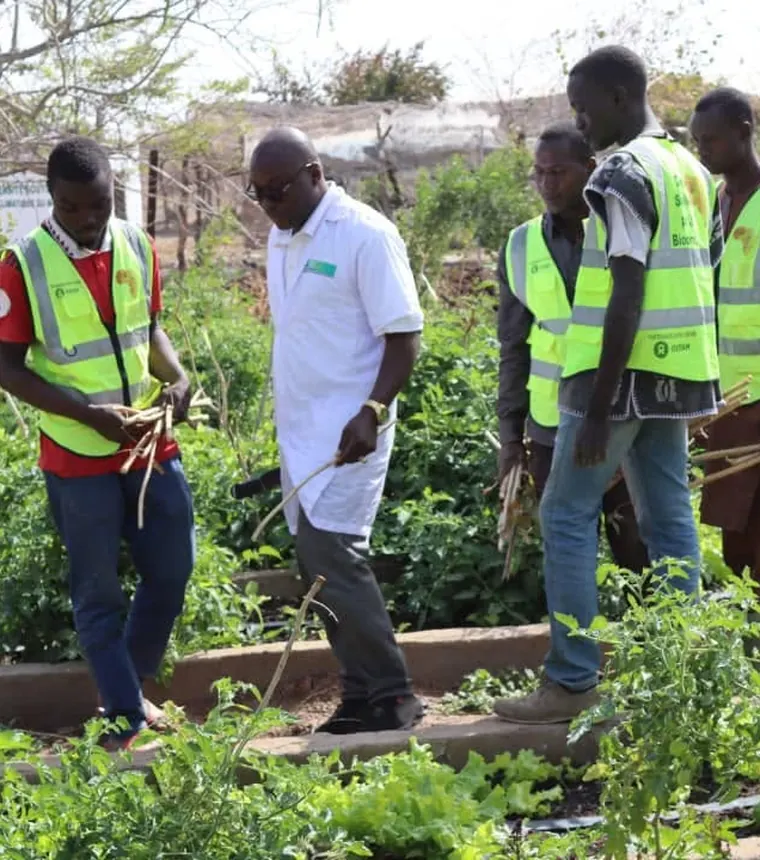
Courses take place on working plots, ponds, livestock and production units.
Organic waste, biomass and peasant seeds become inputs, energy or food.
Black soldier fly, biofertilisers with effective microorganisms, biogas: practices implemented and tested at the centre.
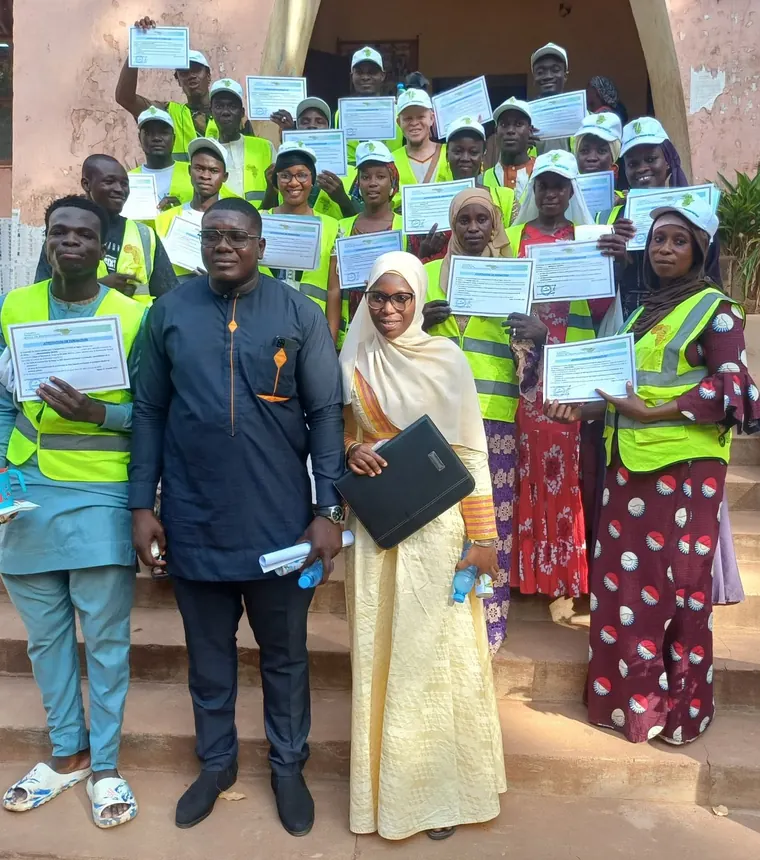
Young people, women, farmers and interns leave with practical skills and, depending on the session, a certificate.
Our history
The Centre Sahélien pour la Biodiversité was founded in Ségou on 13 October 2021 by agroecologist Abdramane Zakaria TRAORE. It develops vocational training in peasant agroecology to contribute to agricultural diversification and help people into working life. Authorisation to establish the centre: decision no. 0856/GRS-CAB of 13 October 2021, cited in the centre’s presentation.
Hands-on sessions on poultry nutrition and health. The centre livestreams the “Croisement des Initiatives et Actions de Base” (CROISADE) meeting, dedicated to local resources.
View the post from 2022 on Facebook (opens in a new tab)A course on pond fertility and fish feeding, with group work in the ponds.
View the post from 2023 on Facebook (opens in a new tab)Courses in rabbit farming and solar irrigation, certificates awarded to young people trained in agroecology, an educational visit from a school and the launch of the CROISADE forum in Pelengana.
View the post from 2024 on Facebook (opens in a new tab)A three-week course in bioenergy (biogas, biomass, eco-friendly charcoal), in partnership with GIZ. The centre also trains people in mushroom production and, with women from Barouéli, in liquid fertilisers.
View the post from 2025 on Facebook (opens in a new tab)Two larvae production sessions, in August and October, a call for applications with the Mali SANYA programme for young people in Ségou, and participation in the National Week of Peasant Agroecology.
View the post from 2026 on Facebook (opens in a new tab)Organisation and sites
Under the authority of its founder, the centre is organised around three departments: teaching, administration and finance, and technical work and innovation.
1 ha
Rural municipality of Massala, Ségou district
The main site includes a trial field, a tree-growing area, a fattening pen, poultry houses, fish ponds, rabbit hutches and a storage warehouse.
0.20 ha
Pelengana-Nord, Ségou
In Ségou, the annex site houses the head office. It has an accounts office, a seed storage area and a training room. The head office is 700 metres from the town hall, opposite the TIEMABA BOUARE public school.
The exact location of each session or visit is confirmed by the team. Contact the centre
Our facilities
Every facility is used both for production and for training: participants learn the techniques, steps and checks there.
Vegetable crops and nurseries of young seedlings grown from traditional vegetable seeds. The main site in Zoumaira also has a trial field.
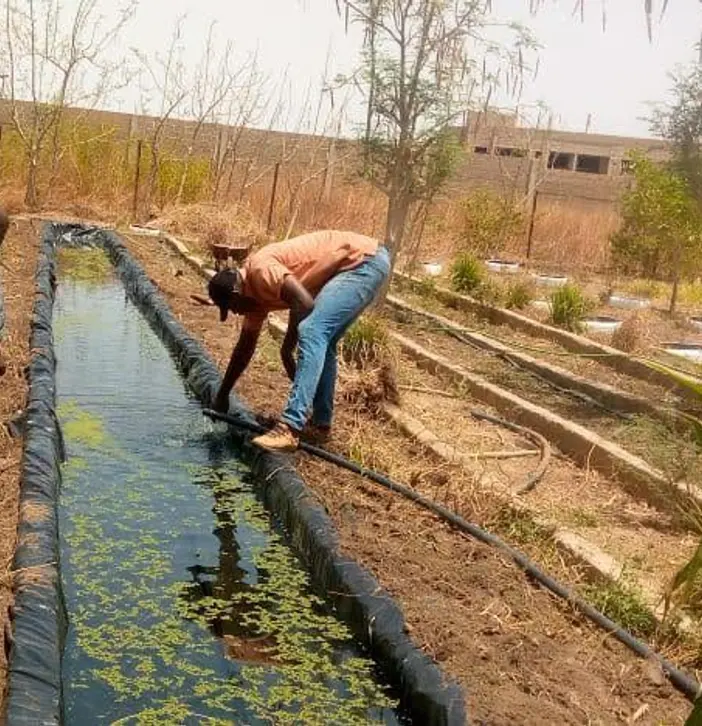
The main site in Zoumaira has fish ponds. Raising fish in ponds supports the courses on pond fertility and fish feeding.
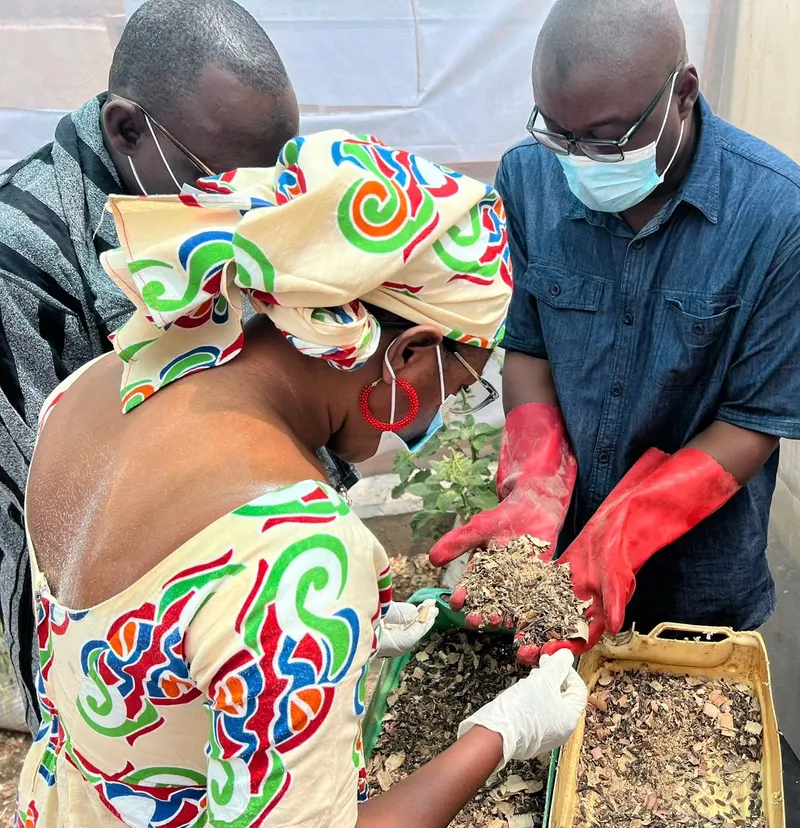
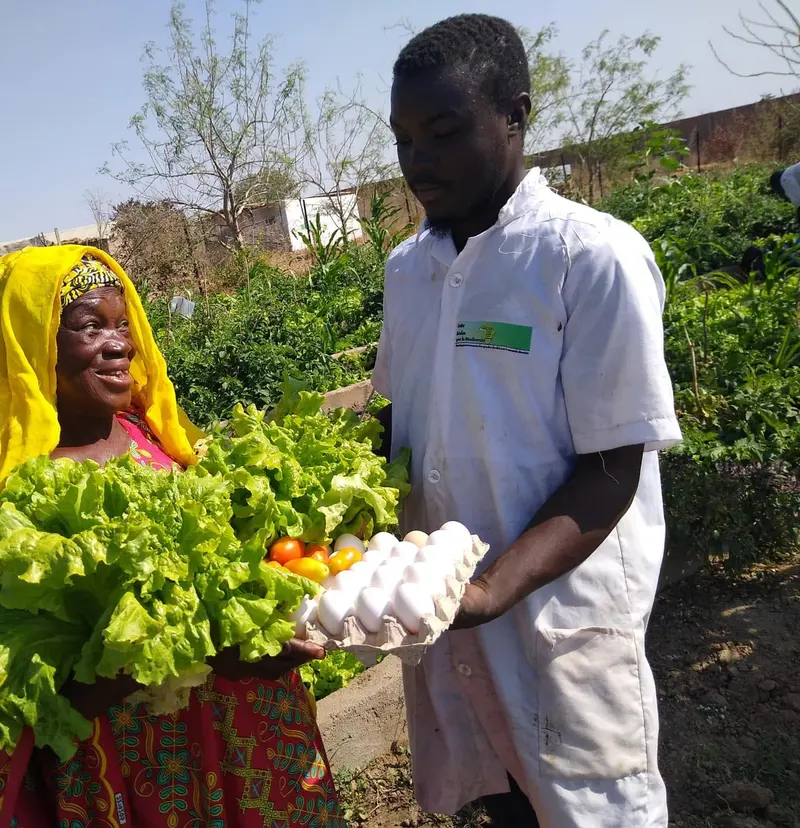
Egg-laying structures, egg harvesting and larvae production to feed poultry and fish.
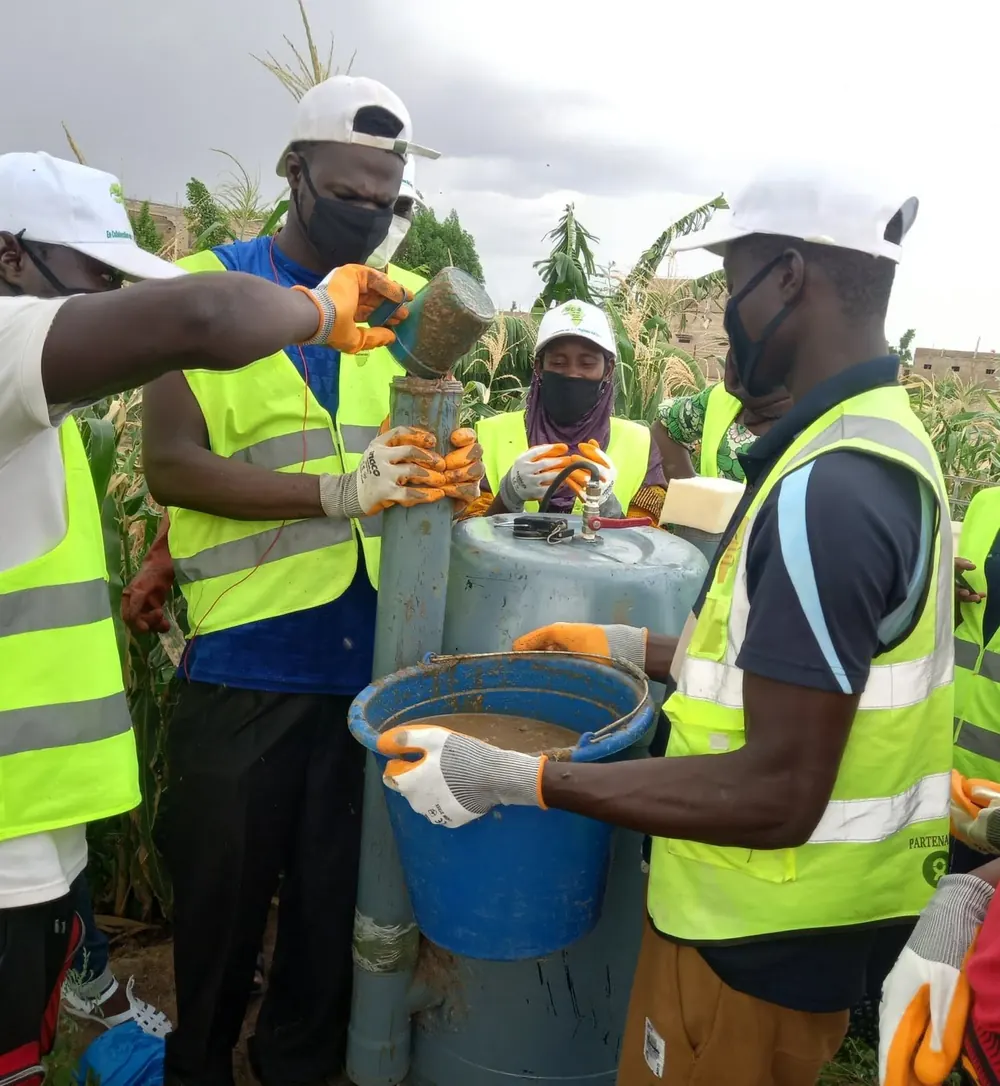
Production of biofertilisers with effective microorganisms, including FassoFertil, shown during visits to the centre.
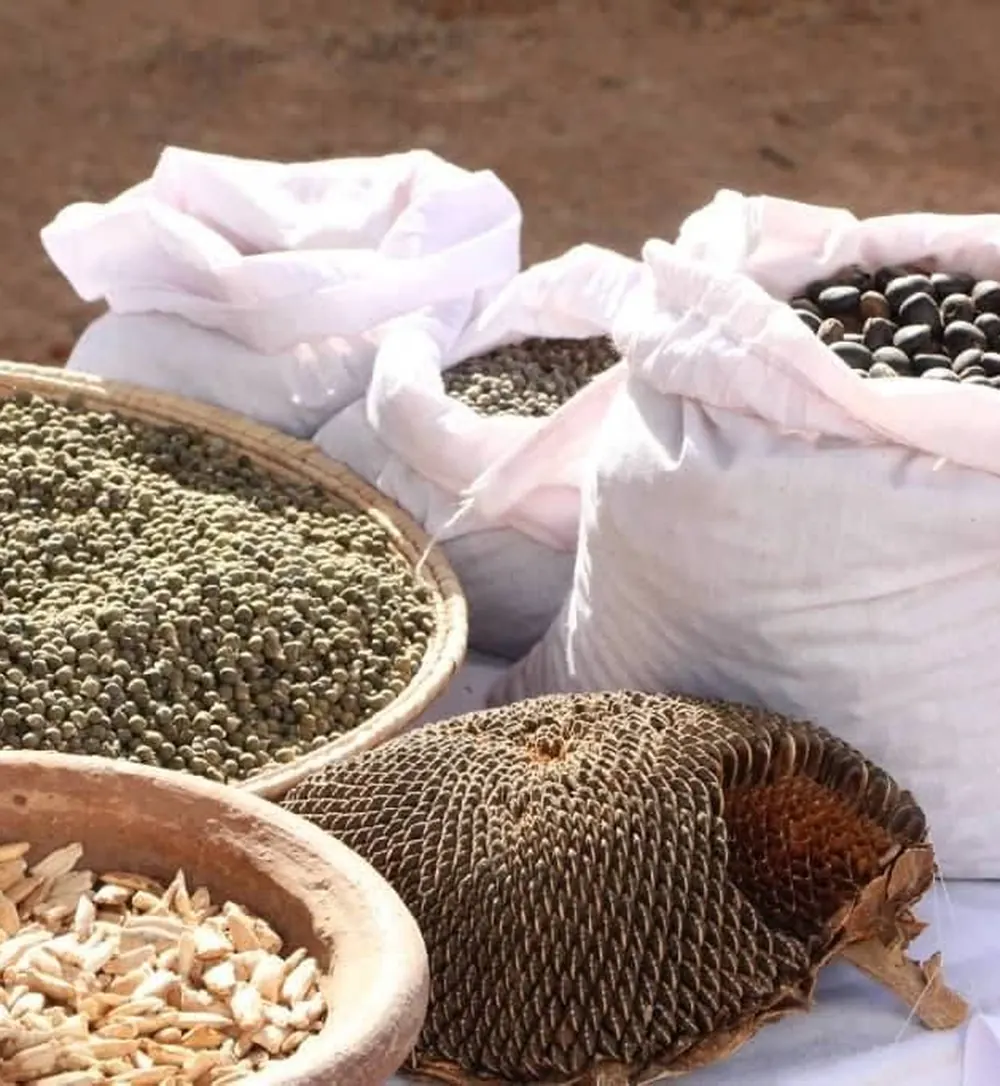
Conservation and sharing of peasant vegetable seeds, presented to consultants working on the national strategy in July 2026.
Our fields
These fields group together the sectors and topics presented on the site. Upcoming sessions are to be confirmed with the centre.
Producing without depleting: living soils, local seeds and inputs made on site.
Raising livestock suited to the Sahelian climate and reducing the cost of animal feed.
Turning waste and biomass into protein, fertiliser and energy.
Moving from practice to a business: planning, producing, processing and selling.
Training at the centre
Call or write to the centre: the team will tell you about upcoming sessions and how to take part.
Theory goes hand in hand with practice on the centre’s facilities, working alongside real production.
Depending on the session: a certificate of attendance and starter inputs, such as larvae.
Schools, institutions, groups: the centre welcomes educational visits to its facilities. Contact the team to arrange your visit.
Answers to the most frequent questions. For anything else, the team will reply by phone, WhatsApp or email.
